.webp)

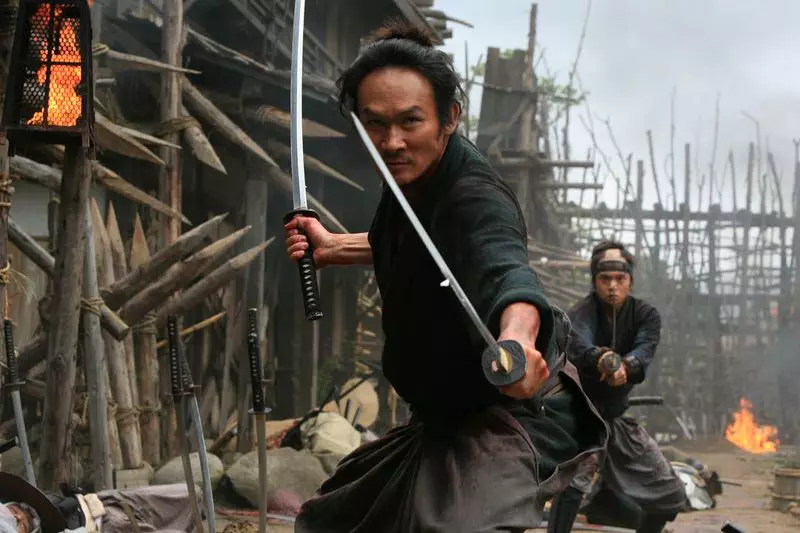


Table of Content
Best japanese samurai movies are Seven Samurai, Harakiri, Yojimbo, Ran, The Hidden Blade, Zatoichi, 13 Assassins, Kagemusha, The Loyal 47 Ronin, Blade of the Immortal, Samurrai Rebellion, The Twilight Samurai.
In this guide, you’ll find the best samurai films, where to watch them, their historical background, and why they continue to influence global cinema today.
What Are Japanese Samurai Movies?
Japanese samurai movies are films about warriors from old Japan, especially during the feudal period. These movies show the life, battles, and values of the samurai, such as loyalty, honor, and bravery.
They often include sword fights, village conflicts, and strong moral choices. Some stories focus on war, while others show personal struggles.
Famous examples include Seven Samurai and Yojimbo, directed by Akira Kurosawa.
In simple words, Japanese samurai movies are historical action dramas about the warriors of old Japan.
|
Best Japanese samurai movies List |
||||
|
Serial Number |
Movies Names |
OTT |
Language |
Rating |
|
1 |
Seven Samurai |
Amazon Prime Video, YouTube |
English subtitles |
8.6/10 |
|
2 |
Harakiri |
Netflix, Prime Video |
English subtitles |
8.6/10 |
|
3 |
Yojimbo |
English subtitles |
8.2/10 |
|
|
4 |
Ran |
Netflix, Amazon Prime Video |
English subtitles |
8.2/10 |
|
5 |
The Hidden Blade |
Netflix, Just Watch |
English subtitles |
7.7/10 |
|
6 |
Zatoichi |
Netflix, Just Watch |
English subtitles |
7.5/10 |
|
7 |
13 Assassins |
Prime Video, Just Watch |
English subtitles |
7.5/10 |
|
8 |
Kagemusha |
Just Watch, Netflix |
English subtitles |
7.9/10 |
|
9 |
The Loyal 47 Ronin |
Prime Video, Netflix |
English subtitles |
7.3/10 |
|
10 |
Blade of the Immortal |
Prime Video, Netflix |
English subtitles |
6.7/10 |
|
11 |
Samurai Rebellion |
Prime Video, Just Watch |
English subtitles |
8.3/10 |
|
12 |
The Twilight Samurai |
Netflix, Just Watch |
English subtitles |
8.1/10 |
1. Seven Samurai
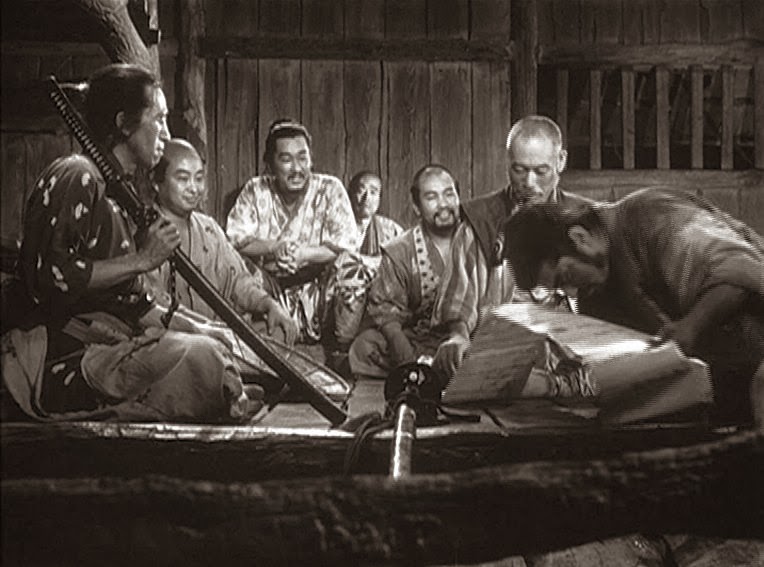
A seasoned japanese seven samurai is hired by farmers from a community that is being plundered by robbers to provide protection, and he recruits six other samurai to assist him. In order to steal their food and anything else they desire (perhaps including women), they decide to return when the barley is mature.
After hearing the men, one of the farmers alerts the community to the danger. They inform the village elder, who instructs them to locate four samurai in order to defend the village. Four farmers travel to the closest large town in search of samurai aid, but they are unable to locate samurai who will labour solely for food without any guarantee of title or compensation.
2. Harakiri
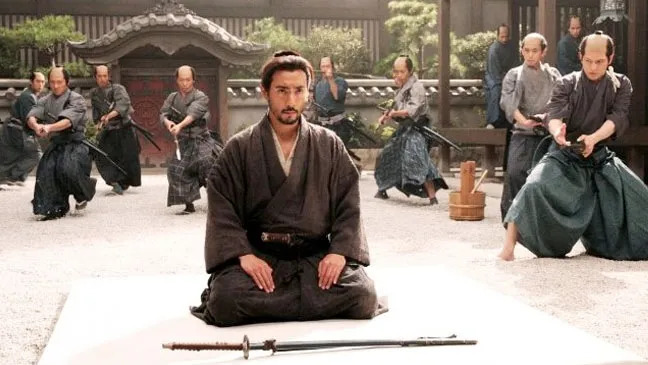
The integrity of the clan is called into question when a ronin who is asking for seppuku at a feudal lord's palace learns of the vicious suicide of another ronin who had visited earlier.
Hanshiro Tsugumo, a samurai, shows up at the Iyi Clan's home with a peculiar request.
He wants to perform ritual suicide, or harakiri, in the house's courtyard because of his current situation. The samurai code and the hypocrisy of those who strictly follow it without comprehending its genuine spirit are powerfully criticised in the film's epilogue. The sad results of blindly adhering to tradition and the loss of humanity inside the inflexible framework of feudal society are demonstrated by Hanshirō's death.
Also Read: 7 Japanese Horror Movies That Will Haunt You Forever
3. Yojimbo
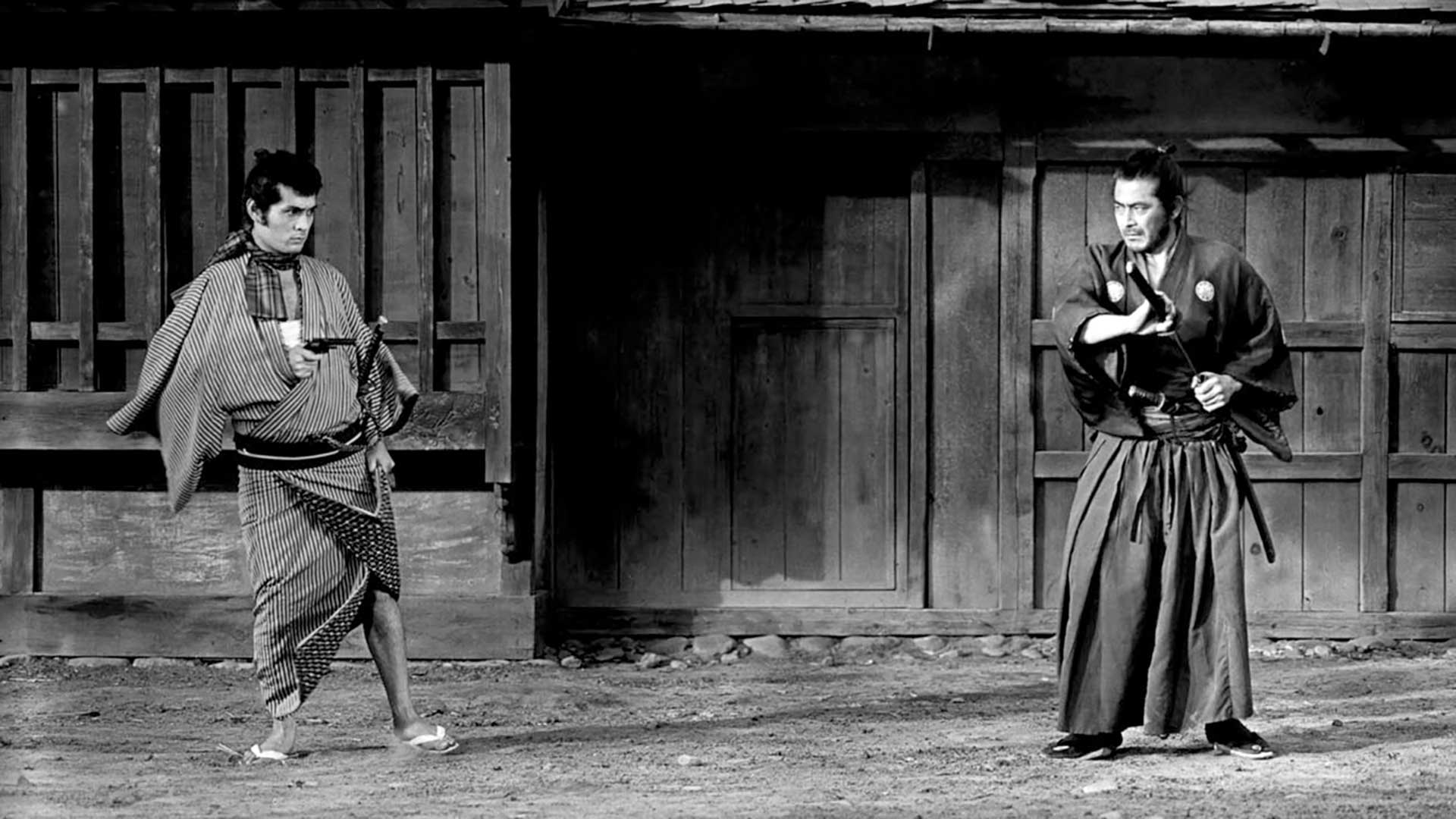
In order to free a village that has been split up by two criminal gangs, a cunning ronin decides to pit them against one another.
In nineteenth-century Japan, a wandering samurai named Sanjuro walks into a little hamlet. He plays one side against the other after finding out from the innkeeper that the town is split between two gangsters.
The appearance of the cunning Unosuke, a revolver-wielding gangster's son, complicates his efforts. After successfully manipulating the gangs to destroy one another, Sanjuro leaves the now-calm town at the end of Yojimbo. Despite his brutality, his acts eventually bring peace and enable the residents of the town to retake their town.
4. Ran
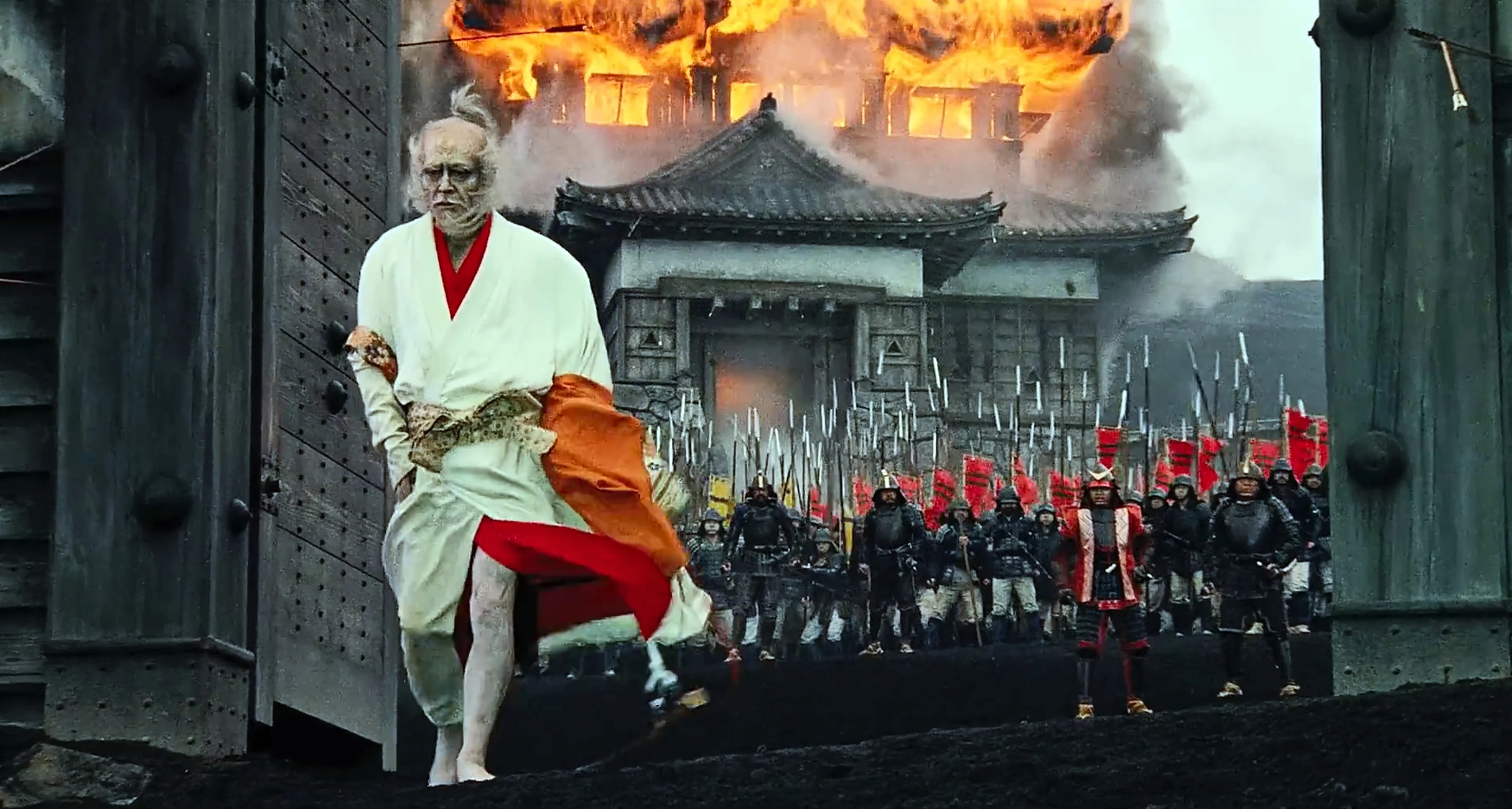
When an old warlord in mediaeval Japan retires, he leaves his realm to his three sons. He greatly underestimates, though, how the newfound authority will corrupt them and turn them against him as well as one another.
Akira Kurosawa's 1985 epic Ran, which translates to "chaos," was partially inspired by Shakespeare's King Lear. Ichimonji, a warlord, and his three sons are hunting a wild boar at the start of the story. After killing the boar, the warlord goes to sleep and dreams that he is travelling the world by himself. After years of considering ceasing his control, Ichimonji feels that this vision means it's time to pass the reins to one of his sons.
5. The Hidden Blade
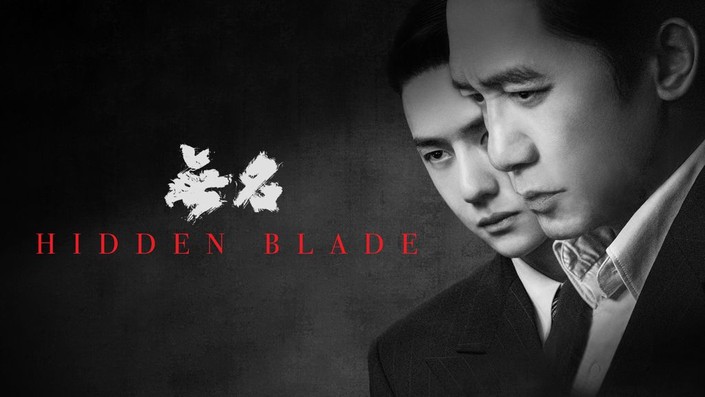
A 19th-century Japanese samurai must make amends with a maid and a close friend after his late father's actions made him unpopular. "Hidden Blade," a stunning and depressing Chinese espionage thriller, consists of a succession of chaotic vignettes about war, which is still terrible.
Also Read: 7 Best Japanese Anime movies That Redefine Action, Emotion & Fantasy
During ham-handed, quasi-impressionistic discussions, punctuated occasionally by gruesome and pointless carnage, studiously detached Communist spies either collaborate with or degrade their fair-weather Japanese allies. I really like their assortment of Asian films, especially as I had never seen them on a plane before (albeit I don't often travel abroad like this).
6. Zatoichi
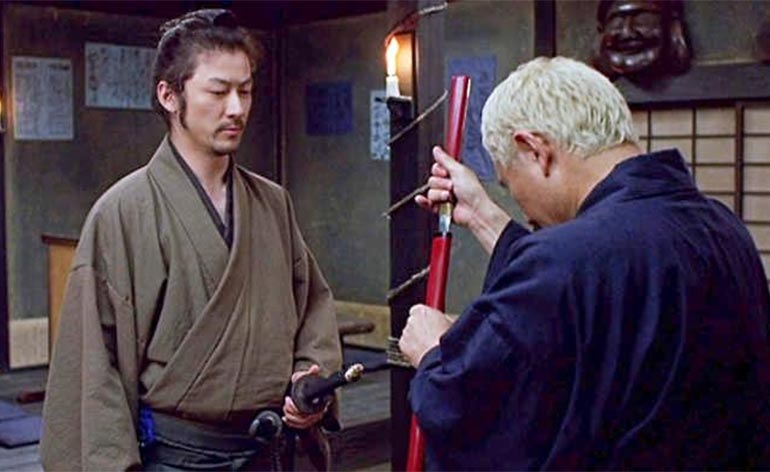
When the blind masseuse/swordsman arrives in a town where rival gangs rule, he stays with a farming family and meets two women who have different goals.
Zatoichi, who is blind, gambles and provides massages for a living. However, beneath his modest exterior, Zatoichi is a skilled swordsman with lightning-fast drawing and incredibly accurate strokes.
It's as if I gambled on Zatoichi. I was familiar with the general idea of this blind swordsman from the 1960s and 1970s, even before the Beat Takeshi-starring remake in the early 2000s, because it's an old series whose legacy extends much beyond the story of Zatoichi's post-tradition movie.
7. 13 Assassins
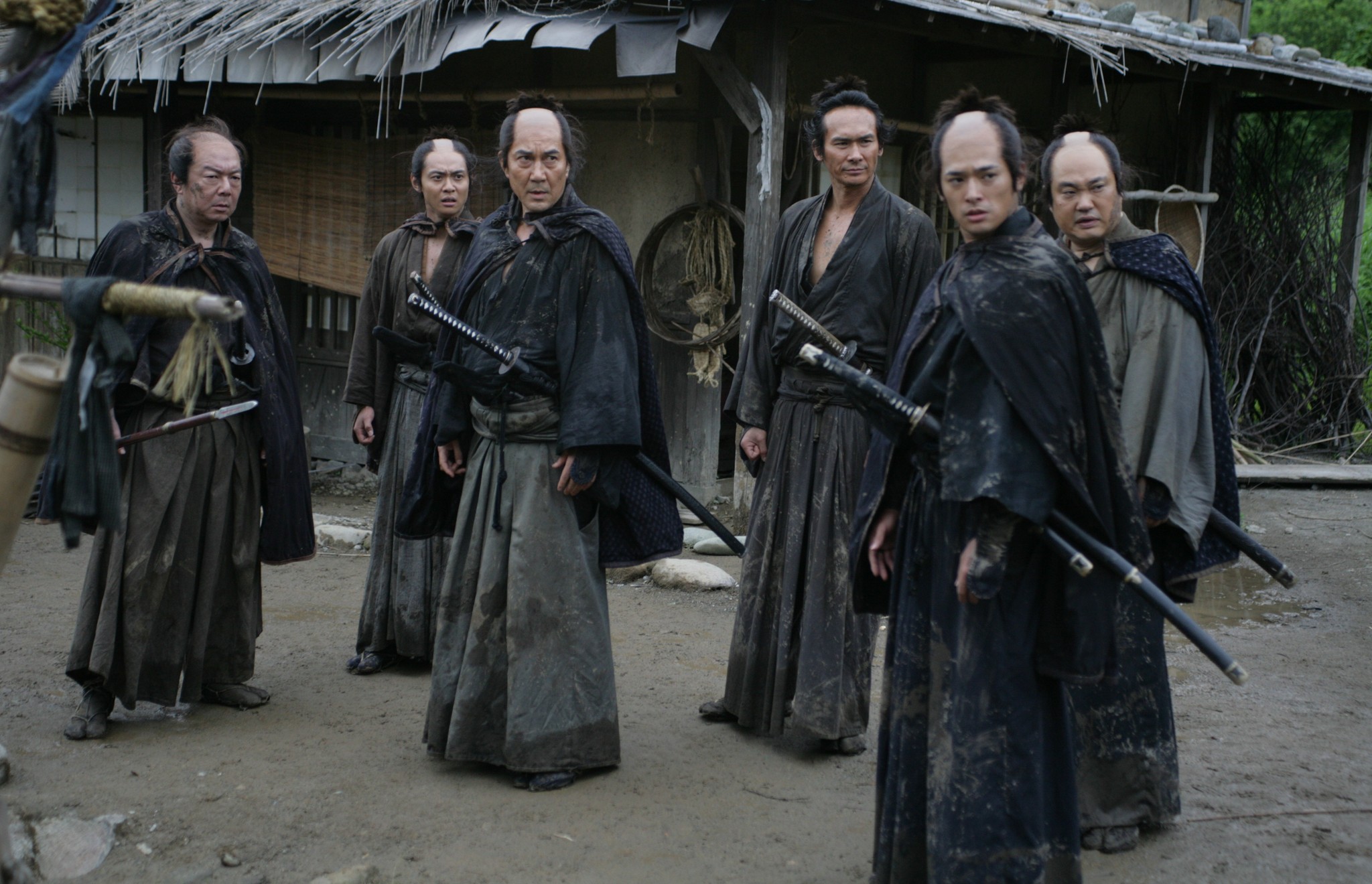
An evil ruler is the target of a suicide mission carried out by a crew of assassins. The movie begins in the Edo period of 1844. We soon discover that Lord Naritsugu Matsudaira, the Shogun's half-brother and the next person in line to join the Shogunate Council, is a cruel despot.
With the protection of his high-ranking bloodline, he terrorises, rapes, kills, and mutilates people without consequence. The grim tone is established early on with a scenario of ritual suicide by a relative of one of his victims. Furthermore, 13 Assassins does meet the stereotype of "great Japanese cinema." The plot centers on a troop of swordsmen who are ordered to slay Lord Naritsugu, the Shogun's insane half-brother, who enjoys raping.
8. Kagemusha
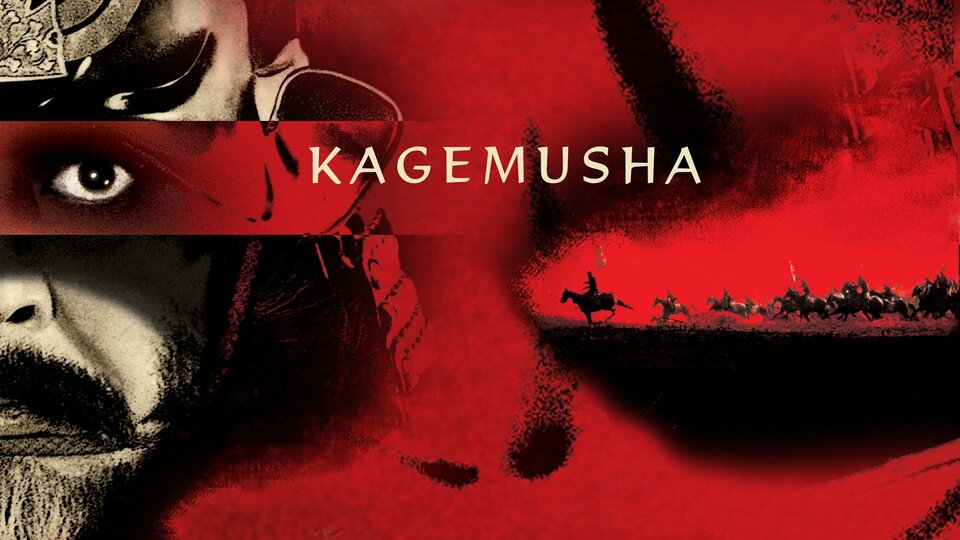
The lord hires a small-time criminal who is very similar to a samurai warlord to serve as his double. The thief is compelled to take up arms in the warlord's place after his death. Reluctantly, Shingen's generals consent to the impostor becoming the strong leader after his death.
He quickly starts to enjoy life as Shingen, but when he has to command his army against the soldiers of a rival warlord, his dedication to the party is put to the test. In the photo, he is seated across from two men who nearly look the same, and the three of them face out as if they are on a stage. Nobukado, Shingen's brother, sits on his right. He frequently poses as his brother to trick their adversaries. You can watch this one of the best japanese samurai movies, Kagemusha with English subtitles also.
9. The Loyal 47 Ronin
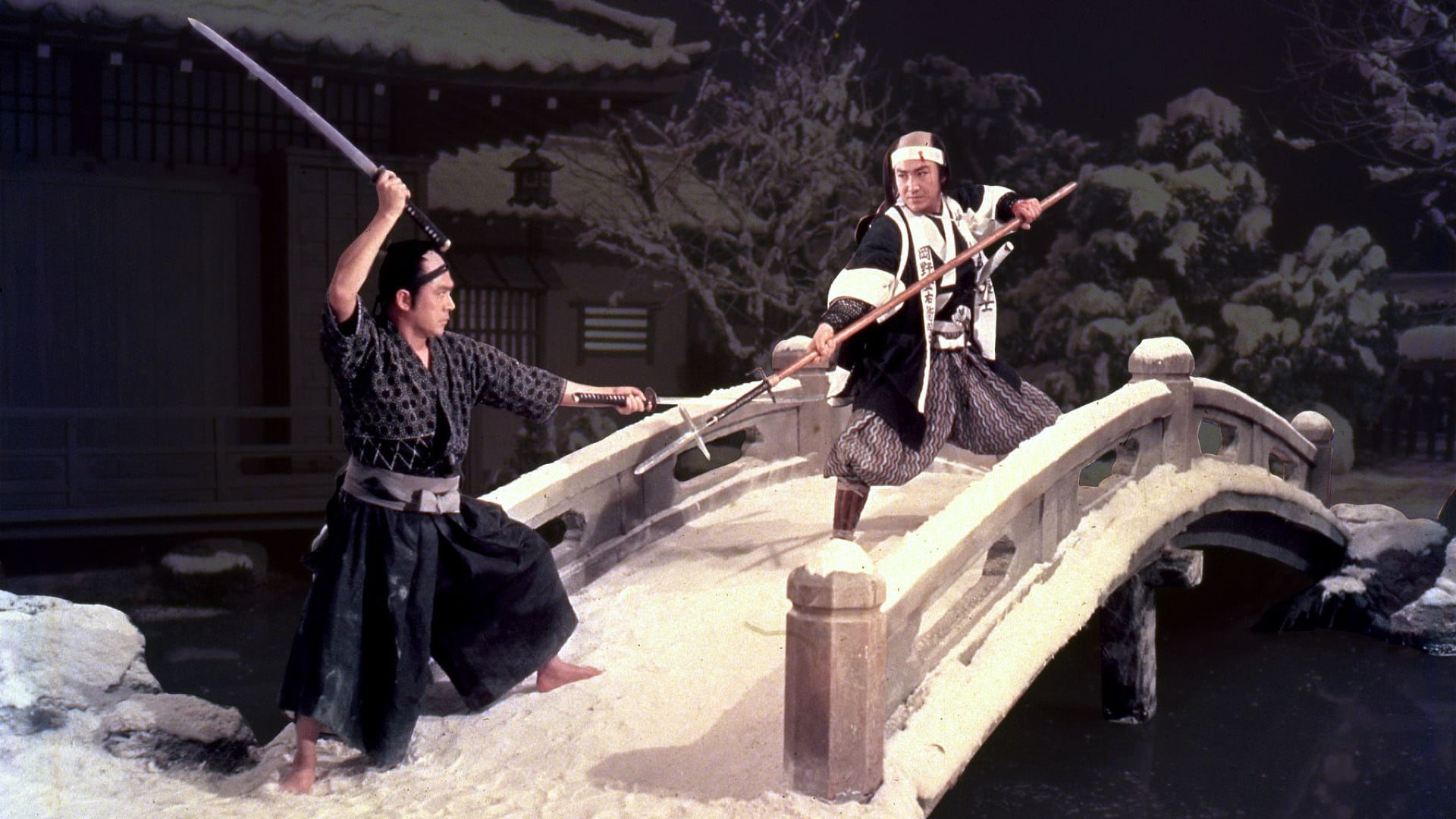
One of the The Loyal 47 Ronin, Japan's classic epic of honour and retribution, is the actual tale of a group of samurai who became ronin when their lord was made to perform seppuku for attacking Kira Yoshinaka, a court official who had insulted him.
Also Read: 7 Japanese Romance Movies That Stay with You Forever
They carried out a bold attack on Lord Kira's estate and took revenge, well aware that they would have to do seppuku to make up for their transgression. Nearly two years after Asano's passing, the 47 band together in Edo and murder Kira and a number of his supporters when they raid his home. This is mentioned in a letter to Asano's wife, who has returned to her father, although it is not displayed on the screen.
10. Blade of the Immortal
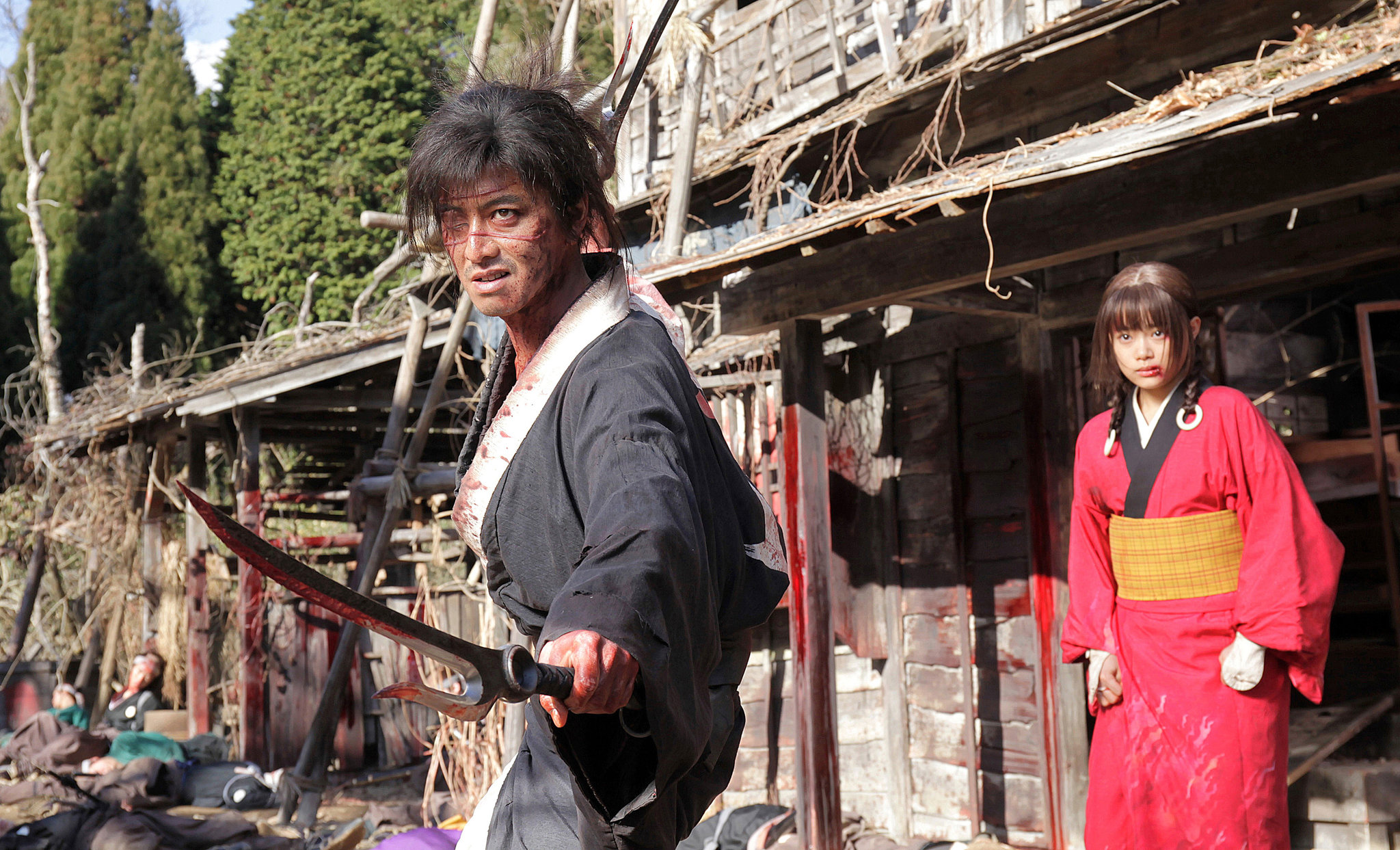
A young girl assigns a warrior, cursed with immortality, to assist in exacting revenge for her father's death. based on Hiroaki Samura's manga series.
This week, Takashi Miike, the fearless samurai of filmmaking, released his 100th movie, an adaptation of Hiroaki Samura's "Blade of the Immortal." You can watch this one of the best japanese samurai movies, Blade of the Immortal with English subtitles also.
His reputation as a rebellious cinematic pioneer may have diminished somewhat on a global scale since the height of "Ichi the Killer" and "Audition," but every shot of this stunning, epic story of unending violence shows that he has not lost any of his craftsmanship. Along with some lovely dialogue and tender character moments, the film also shocked me with its sense of comedy.
11. Samurai Rebellion
.jpeg)
A feudal lord abducts his sole heir's mother from her husband. The husband and his samurai father must choose between accepting the unfair ruling and taking a chance on their lives to win her back. who serves his lord and has a tranquil life.
Yogoro, the son of Isaburo, is coerced into marrying their lord's mistress. The family first objects to this connection because the woman, Ichi, was previously rejected by the lord for private reasons. But as time goes on, Yogoro and Ichi develop feelings for one another, which complicates the dynamics in the home. You can watch this one of the best japanese samurai movies, Samurai Rebellion with English subtitles also.
12. The Twilight Samurai
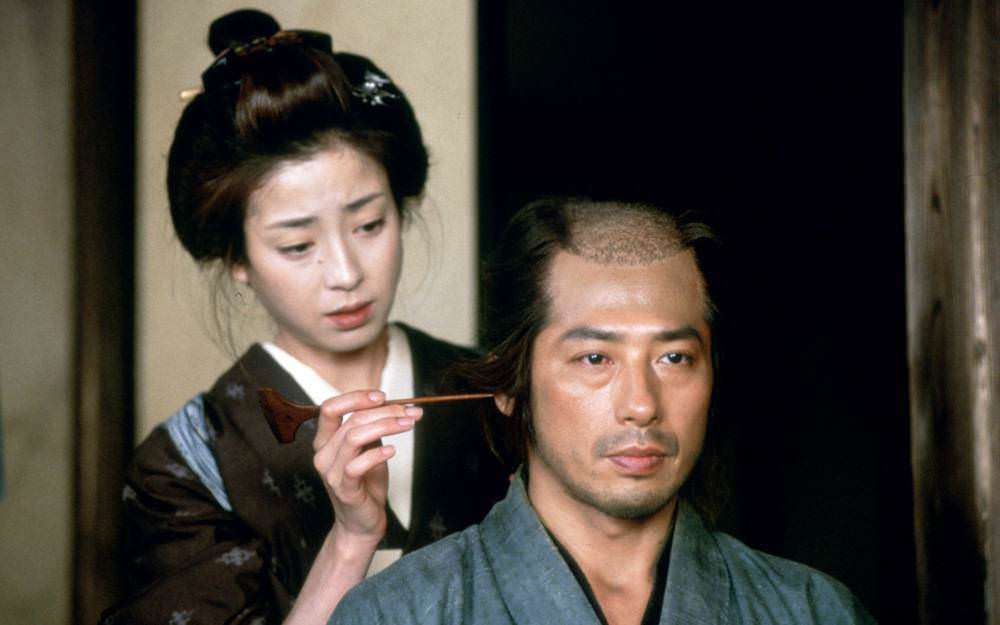
Few samurai films since the year 2000 have the emotional depth of Yôji Yamada's The Twilight Samurai. You should search elsewhere if you're looking for intense swordplay. A touching event, The Twilight Samurai skilfully combines contemporary melodrama with vintage Japanese samurai flicks.
A quiet man with shady grooming habits who works as a basketweaver to augment his meagre salary faces daily mockery for leaving work early and heading home instead of joining his friends for a drink. His brother samurai mockingly refers to him behind his back as "Twilight," a vague moniker that also seems to allude to the fall of the samurai era in the 19th century.
Why Are Samurai Movies So Influential in Global Cinema?
Japanese samurai movies are influential because they tell universal stories of honor, loyalty, and sacrifice that connect with audiences worldwide.
Directors like Akira Kurosawa, with films such as Seven Samurai, inspired international hits like The Magnificent Seven and even Star Wars.
Their unique storytelling, dramatic action, and cinematic style shaped modern action and Western films across the globe.
Are Samurai Movies Historically Accurate?
Samurrai movies are based on real history, but they are not fully accurate. They often show samurai as perfect, honorable warriors, while in real life they were more complex and sometimes flawed.
Films also make sword fights and the samurai code seem more dramatic than they really were. Even movies like Seven Samurai by Akira Kurosawa, though realistic in tone, still add drama for storytelling.
In short, samurai movies mix history with entertainment.
From classics like Seven Samurai to modern films like 13 Assassins, Japanese samurai movies continue to inspire audiences and filmmakers around the world.
| You May Also Like | ||
| Best Korean Web Series On Netflix | Top Web Series on JIO Hotstar | Bridgerton Season 4 |
Frequently Asked Questions
Ans: Top Japanese samurai movies include Seven Samurai, Harakiri, Yojimbo, Ran, The Hidden Blade, Zatoichi, 13 Assassins, Kagemusha, The Loyal 47 Ronin, Blade of the Immortal, Samurai Rebellion, and The Twilight Samurai.
Ans: Classics include Seven Samurai and Yojimbo by Akira Kurosawa, Ran, Harakiri, and Kagemusha, known for their historical depth and cinematic influence.
Ans: Core themes include bushido, loyalty, honor, sacrifice, revenge, and the struggles of feudal life.
Ans: Harakiri, 13 Assassins, The Loyal 47 Ronin, and Blade of the Immortal explore revenge, justice, and samurai honor.